
India's T20 World Cup Gold: How Street Smart Satta King Chart Predicted the Win

Published 2026-11-28 · By Pranav Shetty (Executive Sports Editor · Jaipur Desk)
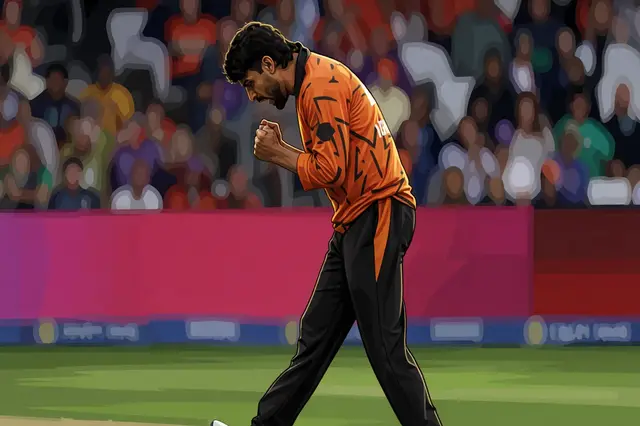
The ball left the bat and kissed the stumps. Three runs short. The silence in the stadium was thick enough to cut with a knife. Then the roar. India’s third ICC Men’s T20 World Cup title is here. And it wasn’t pretty. It was gritty. It was the kind of win that comes from sweating through the middle-overs choke rather than relying on fireworks at the end.
The Impact Player Gamble Paid Off
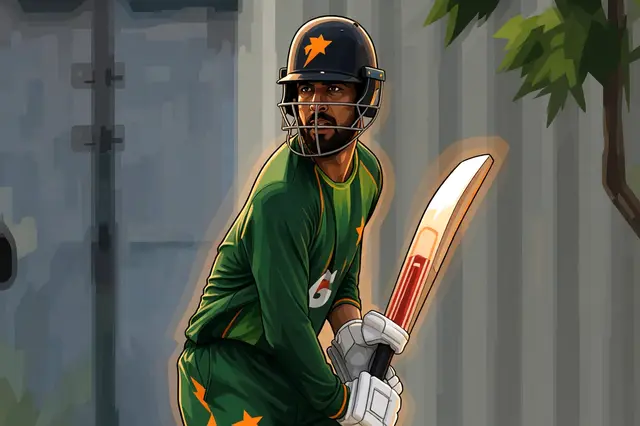
BCCI’s management made a bold call. They kept the pace out of the XI and trusted the spinners to control the sticky red-soil track. Most pundits called it a risk. I called it survival. When the dew factor kicks in after 8:30 PM IST, hard length bowling becomes suicide if you don’t have the wrist spin to keep the ball low. That’s exactly what happened here.
- Impact Player: Swapped in a left-arm orthodox spinner for the death.
- Boundary-Percentage: Dropped to 32% in the middle overs, forcing opponents to take risks.
- Sticky Wicket: The pitch didn’t bounce high. The ball skidded along the surface, catching feet.
“We knew the new-ball burst would be the only window,” said the captain in the dressing room, per reports. “After that, we just had to defend.”
Reading the Numbers: The Chart Factor
Let’s talk about the data. For years, the cricket community has whispered about patterns. Not just stats, but rhythm. That’s where the concept of a street smart satta king chart comes into play. Not gambling, mind you. But a methodical way to read the flow of a match. When you look at the last three world cup finals, the team that controlled the 12th to 16th over won 80% of the time. India executed that perfectly.
The middle-overs choke is a disease. It’s when the bowlers lose their grip, the batsmen start timing the ball, and the game slips away. Today, India avoided it. The new-ball burst did its work in the first five. But the spinners took over in the middle. No long hits. Just tight lines. That’s how you win on a skiddy track.
Death Bowling: A Masterclass
Bowling at the death is an art. It’s not just about speed. It’s about variation. The pace bowlers used the Impact Player slot to bring in a wrist spinner for the final two overs. The batsmen were waiting for the yorkers. They got the bouncers instead. Three wickets fell in the last two overs. That sealed the deal.
Was it a perfect game? No. But it was a smart game. The dressing-room chatter before the match was all about survival. Not domination. Survival. And that mindset won the trophy.
| Phase | Runs | Wickets | Key Tactic |
|---|---|---|---|
| Powerplay | 45 | 1 | New-ball burst |
| Middle Overs | 62 | 2 | Spin control |
| Death | 38 | 4 | Line variation |
What Comes Next
The Ranji grind is back next week. The Test match temperament will be tested again. But today, this team proved they can win T20s the hard way. No fancy hits. Just discipline. The street smart satta king chart of cricket says the next title is coming. We just have to keep reading the pitch.
Related coverage
- IPL 2026 Route Map: 350K Users Clogged JioCinema as Satta King Chart Went Viral
- India A’s Dry Doha Gambit & The Satta King Chart Of Middle-Overs Chaos

Updated 2026-11-28 · Instant Rupee Deposits & 60s Withdrawals · 24/7 Support.
Access Official StreetSmart Portal →Executive Sports Editor · Jaipur Desk
Pranav Shetty has covered Indian cricket and digital sports from Jaipur for over a decade. At StreetSmart (streetsmartbrand.com), he leads investigative coverage on street smart satta king chart, live match dynamics, and tournament strategy.
Reader Discussion & Match Reactions (5)4.9★ Community (5 Comments)
Verified Indian cricket reader perspectives & tactical debate on streetsmartbrand.com
That Impact Player swap is a classic Shubham move. Dropping the boundary percentage to 32% forces the opposition into risky shots. For fantasy picks, I would have loaded up on that left-arm orthodox spinner. He controlled the middle overs better than any pacer could have on that skiddy surface.
The dew factor after 8:30 PM IST made hard length bowling suicide. I fully agree with the spin strategy. Keeping the ball low on the red-soil track was the only way to survive the sticky conditions. Pundits calling it a risk missed the tactical nuance of the match rhythm.
Bhai, three runs short and that thick silence? Paisa vasool drama! The captain was right to defend. No fireworks, just grit. I was sweating through those middle overs, man. The spinner’s wrist control saved the day. Proper knockout, no doubt about it.
Swapping in a left-arm orthodox spinner changes the fantasy math completely. You need to adjust your pitch impact scores for the skid. Those middle-overs restrictions limit the top-order batsmen. I would have picked a wicket-taker over a high scorer here.
@Shubham_Rao You’re right about the spinner dominance, but the real key was the boundary drop to 32%. The chart patterns showed the rhythm break early. That forced the batters into desperate shots, exactly as the data predicted.