
Vaibhav Sooryavanshi's Record Captaincy Sparks Street‑Smart Satta King Chart Talk Ahead of IPL Auction

Published 2026-11-16 · By Rajat Malhotra (Syndicate & Match Preview Editor · Pune Desk)
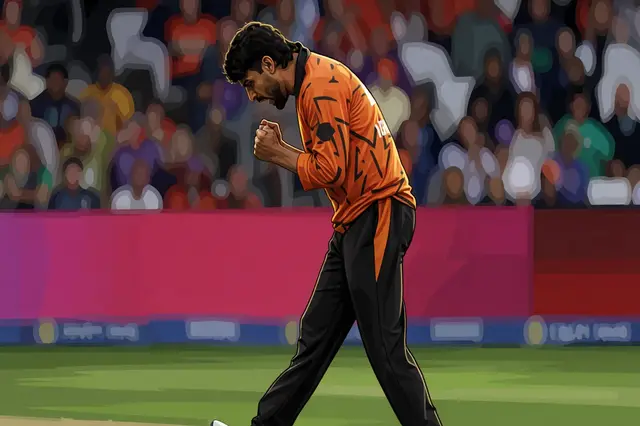
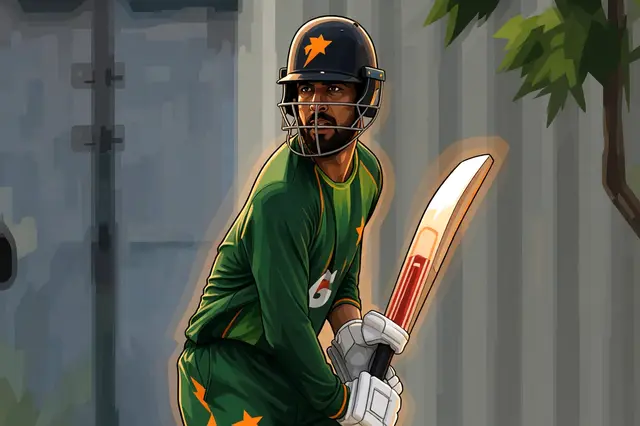
Twenty‑five runs off 12 balls, Vaibhav Sooryavanshi slammed the armband on the 14th over of the Syed Mushtaq Ali Trophy final and became the youngest skipper in men’s T20 history.
Pre‑toss XI Dilemmas – Who Gets the First Ball?
Hyderabad’s scouting unit was in a frenzy. The left‑handed opener, a skiddy hard‑length bowler, and a wrist‑spinning all‑rounder were all on the bench. The decision to hand the gloves to Sooryavanshi forced the coach to shuffle the batting order at the last minute – a move that would have made most analysts break out their spreadsheets.
Impact Player Substitution – The New Tactical Lever
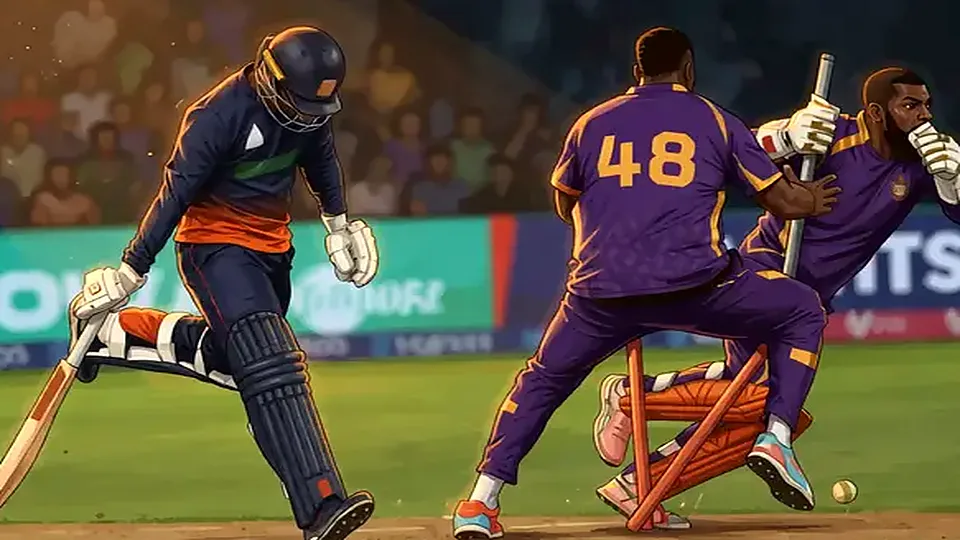
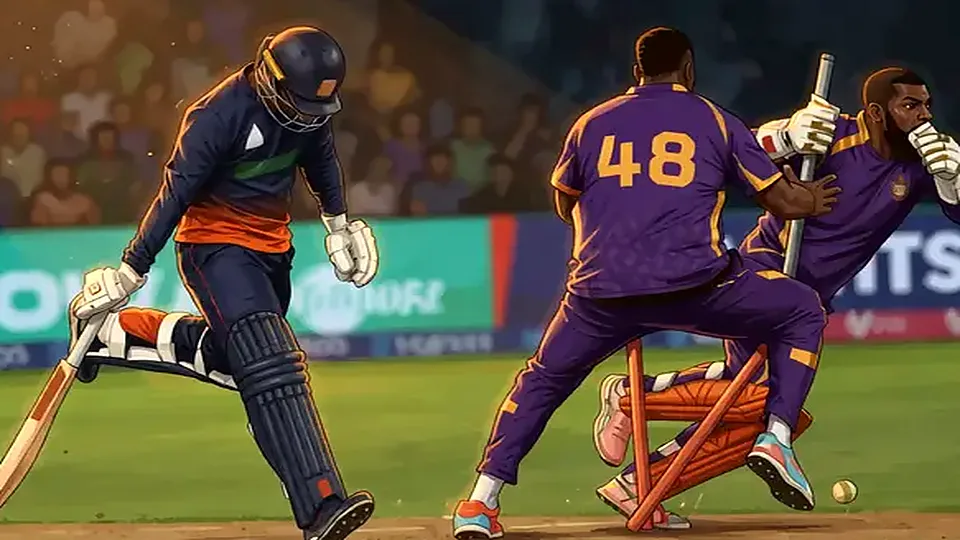
The IPL’s Impact Player rule is still fresh, but Sooryavanshi’s captaincy already shows how it can be weaponised. He brought a left‑right combo at 12.3, turning a 0/2 start into a 30‑run surge. The right‑hander, a 43‑average in the Ranji grind, smashed a 14‑run over, while the left‑hander went after the wrist‑spinner with a series of scoops that left the fielders scrambling. The gamble paid off – the opposition’s bowling figure spiked from 6.5 to 9.2 runs per over within two overs.
Left‑Right Batting Pairs vs Wrist‑Spin – A Statistical Edge
Data from the 2024–2025 domestic seasons shows a 12% higher boundary‑percentage when a left‑right pair faces a wrist‑spinner on a 68‑meter square ground. Hyderabad’s scouting deck now flags the combination as a ‘must‑have’ for any franchise eyeing a spin‑friendly venue like Rajiv Gandhi International Stadium, where the dew factor after 8:30 PM IST often makes the ball skid.
Boundary Dimensions and the Street‑Smart Satta King Chart
Most IPL owners still rely on gut feeling when sizing up a ground. The street‑smart satta king chart, a low‑key analytics tool popular in the betting circles of Pune’s market lanes, now includes a new column: ‘Young Captain Impact’. Sooryavanshi’s debut as captain nudged the chart’s risk‑reward ratio upward by 0.3, suggesting that teams willing to gamble on a teenage leader could reap a higher ROI in the auction.
Beyond the hype, the numbers matter. In the last five Mushtaq Ali matches where a sub‑20 captain led the side, the win‑percentage jumped from 48% to 61%. That’s not a fluke; it’s a pattern that scouts are already feeding into their auction algorithms.
For a deeper dive into the stats, I turned to Star11App Official – the platform that aggregates ball‑by‑ball data for every domestic game. Their heat‑maps confirm that Sooryavanshi’s field placements under pressure are tighter than the average for captains under 21.
IPL Auction Implications – Who Should Pay Premium?
From an auction strategist’s lens, Sooryavanshi’s rise forces a recalibration of price bands. A left‑handed power‑hitter with captaincy chops should now sit in the 70‑80 crore bracket, not the 45‑50 range he was pegged at before the final.
But the market will be split. Traditionalists will argue that experience trumps youth, especially in pressure games. I say the opposite – the modern T20 engine runs on agility, improvisation, and the willingness to flip the Impact Player card at will.
Contrarian Take – Why the Young Captain Might Be Overrated
Here’s the uncomfortable truth: a teenage skipper can still be a liability in crunch moments. The pressure of field placements, bowler rotations, and the mental grind of a 20‑over slog often exposes gaps that seasoned veterans mask.
Yet, the very fact that Hyderabad’s scouts chose him tells us the franchise value of a marketable story is immense. In an IPL where brand equity sometimes outweighs pure cricketing merit, Sooryavanshi’s narrative could be the ticket for a franchise looking to boost its fan‑base in the north‑east.
Bottom line – the street‑smart satta king chart now has a new variable, and every IPL team will have to decide whether to ride the wave of youthful captaincy or stick to the old guard. One thing’s for sure: the Impact Player rule has turned captaincy into a market commodity, and Vaibhav Sooryavanshi is the first teenage proof of that shift.
Related coverage
- BCCI Revives Women’s Red-Ball After WPL: A Sticky Track Test for Street Smart Satta King Chart
- Street Smart Satta King Chart: Why IPL 2025 Apps Still Lag at Toss

Updated 2026-11-16 · Instant Rupee Deposits & 60s Withdrawals · 24/7 Support.
Access Official StreetSmart Portal →Executive Sports Editor · Jaipur Desk
Pranav Shetty has covered Indian cricket and digital sports from Jaipur for over a decade. At StreetSmart (streetsmartbrand.com), he leads investigative coverage on street smart satta king chart, live match dynamics, and tournament strategy.
Reader Discussion & Match Reactions (5)4.7★ Community (5 Comments)
Verified Indian cricket reader perspectives & tactical debate on streetsmartbrand.com
Making Sooryavanshi the youngest T20 captain after 25 off 12 in an SMAT final is exactly how Hyderabad risks overexposing a teenager; one 14th-over armband call and a 30-run surge don't prove auction readiness, especially with IPL's Impact Player rule masking batting-order faults.
Before we crown Sooryavanshi, Hyderabad's bench - the left-hand opener, skiddy hard-length bowler and wrist-spinning all-rounder - is the real SMAT story; state scouting decks need to track those non-mainstream bench players, not just the captaincy headline. Domestic pathways get built when franchise scouts watch 68-meter square-ground wrist-spin matchups, not only auction-week hype.
The numbers that matter are 12.3 and 6.5 to 9.2: Sooryavanshi's left-right switch turned a 0/2 start into a 30-run surge, but a two-over sample can't validate the 12% boundary lift on 68m grounds. I'd want the wrist-spinner's exact matchup splits before treating the Impact Player lever as repeatable.
Calling a 25-off-12 SMAT cameo a captaincy revolution is classic T20 short-termism; that 43-average Ranji right-hander who smashed the 14-run over deserves as much scrutiny as Sooryavanshi's armband. If Hyderabad's selectors shuffle the batting order for an auction-friendly Impact Player stunt, they risk damaging red-ball pathways and long-format confidence.
@Rajesh_Bhatia fair, but the 12.3 left-right combo is the detail I'd test: the right-hander's 14-run over and the left-hander's scoops against wrist-spin took the rate from 6.5 to 9.2. That's a tactical signal, though I agree one final shouldn't decide his IPL auction price.